


What exactly is home care?
Home care is personalized, non-medical support provided in a person’s home to help them live safely and comfortably while maintaining independence. Rather than relocating to an assisted living community or nursing facility, individuals receive one-on-one assistance right where they feel most at ease — at home. At Whole Life Home Care, the focus is on supporting the whole person — physical needs, emotional well-being, and everyday quality of life. Families can learn more about the organization’s approach to care at https://wholelifehomecare.com/.
Supporting Independence at Home
For many older adults, home represents familiarity, routine, and independence. Home care allows individuals to continue their daily lives while receiving help where it’s needed most. Services are flexible and personalized. Some clients may only need a few hours of companionship each week, while others benefit from more consistent daily support. Care plans grow and change alongside a client’s needs, helping families avoid crisis situations and maintain stability over time. A full overview of available care options can be found here: https://wholelifehomecare.com/services/
When Do Families Typically Consider Home Care?
Every situation is different, but families often begin exploring home care after noticing small changes that gradually become harder to manage alone. These may include missed medications, increased forgetfulness, difficulty preparing meals, or concerns about safety and mobility. Home care doesn’t have to begin during a crisis. In fact, starting support early often helps individuals remain independent longer and reduces stress for family caregivers.
Let’s explore some signs to look for when considering home care for your loved one.
- Missed Medications
- Missing, skipping, or doubling medications can have serious health consequences. Our home care aides can help establish a routine that ensures safe medication use.
- Increased Forgetfulness
- Misplacing important items, unpaid bills, missed appointments, and even forgetting to eat can be important signs that your loved one could benefit from in home care. Our caregivers can provide the structure needed to keep up with life’s daily tasks.
- Difficulty Preparing Meals
- Consistent eating habits are important for seniors to maintain their health. Forgetting a meal or not getting proper nutrition can have serious implications for a senior. Most medications are required to be taken with food, and a healthy diet is important when dealing with chronic health conditions. Our caregivers can provide assistance with preparing meals and ensuring that your loved one is nourished.
- Safety and Mobility
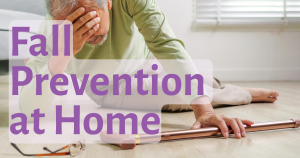
- Falls can one of the most impactful health circumstances your senior loved one can face aging at home. When mobility becomes an issue, it’s important to have safeguards in place to prevent injury. Along with hand railings in the shower/bath, nonslip rugs, and objects removed from pathways – an in-home care giver can provide support around the home and during errands.
There are numerous other instances that families encounter when starting to consider home care – that’s why our personalized approach to your family’s needs are so important to the care we provide. We enjoy talking with you about your particular needs – reach out, we’re always available!
A Partnership with Families
One of the biggest misconceptions about home care is that it replaces family involvement. In reality, professional caregivers work alongside families, providing additional support and peace of mind. Respite care can also give family caregivers time to rest, travel, or focus on their own responsibilities while knowing their loved one is in compassionate hands. More about the Whole Life Home Care team and their commitment to families can be found at: https://wholelifehomecare.com/about-us/
Is Home Care the Right Next Step?
Choosing care for a loved one is rarely simple, but understanding available options can make the decision feel less overwhelming. Home care offers a flexible, personalized solution that allows individuals to receive help while continuing to live where they are most comfortable.
Call us today! We are more than happy to answer your questions. (844) 413-2711